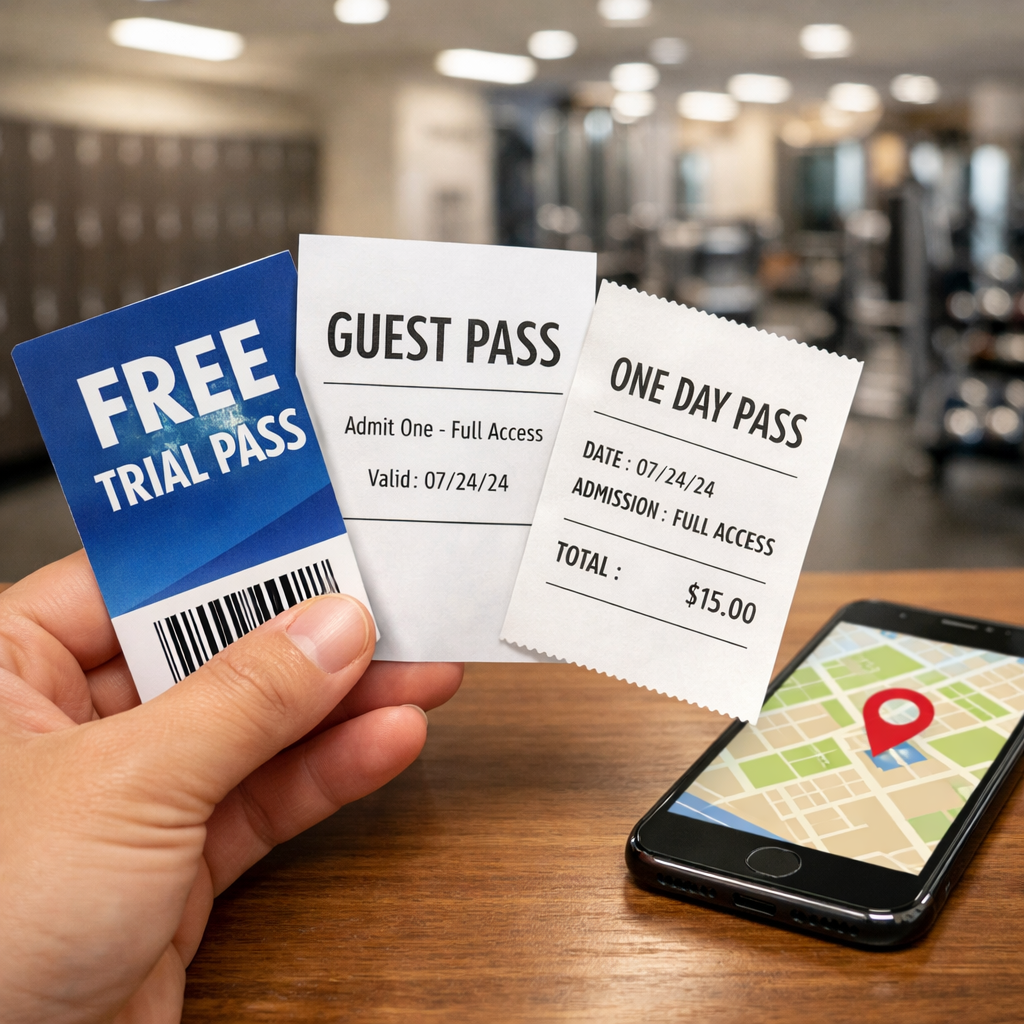
Compare Health Club Trial Passes, Guest Passes, and Day Rates Near Me
Compare Health Club Trial Passes, Guest Passes, and Day Rates Near Me
If you’re trying to compare health club trial passes, guest passes, and day rates near me, the fastest route is a structured, apples-to-apples review. Start by shortlisting nearby clubs, capture what each pass really includes, then run simple break-even math against gym day pass prices and monthly plans. From there, validate guest pass rules and local gym policies (ID, age, activation windows), and protect your payment info during any trial-to-paid transition. Below, FitnessJudge’s method gives you a crisp flow, realistic price anchors, and privacy-first signup guardrails so you can pick the best short-term gym access with zero surprises.
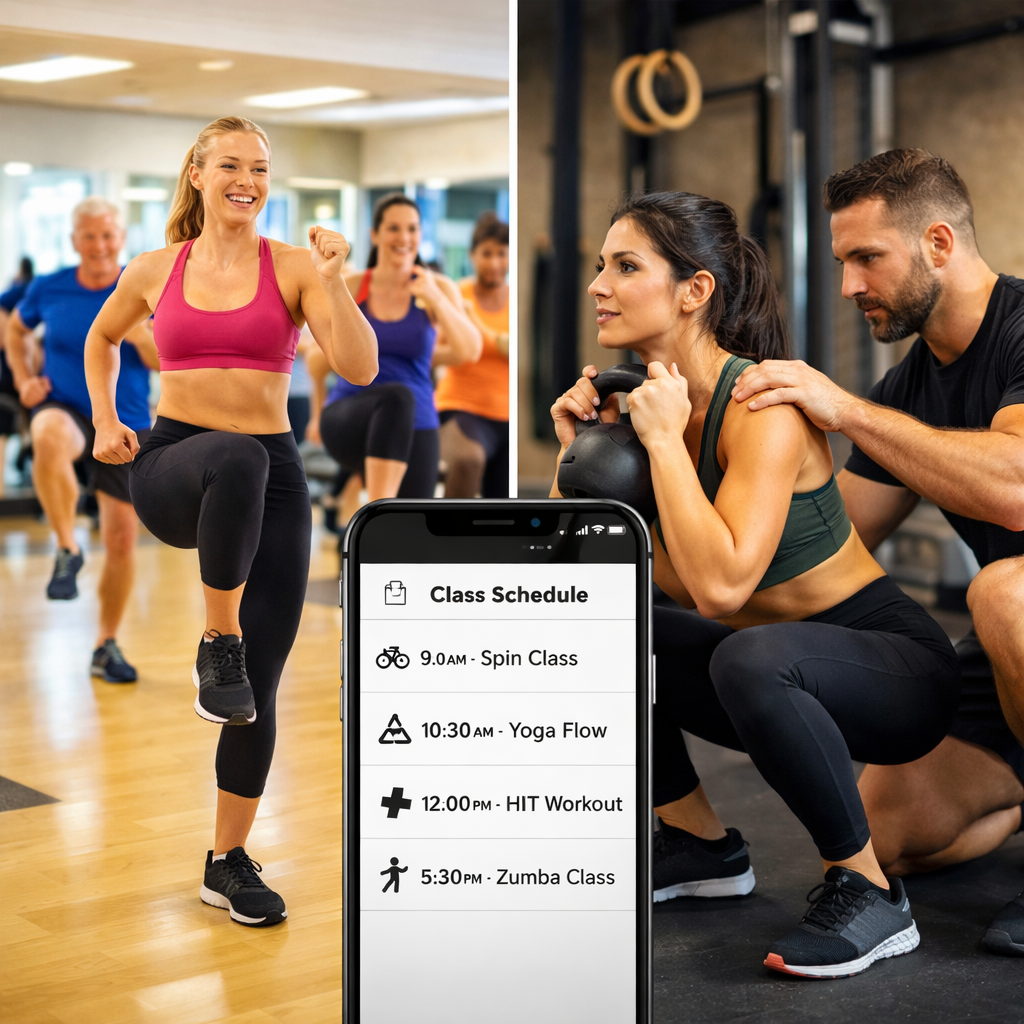
Unlimited Group Fitness Memberships: Compare Health Clubs and Specialty Workshop Access
Unlimited Group Fitness Memberships: Compare Health Clubs and Specialty Workshop Access
Unlimited group fitness sits between two worlds: traditional health clubs offering predictable, facility-wide access, and boutique ecosystems where you pay per class or workshop for depth and coaching. If you want unlimited classes with clear rules, a multi-amenity health club is usually the safest pick; if you’re chasing specialty workshops or elite instructors, boutiques and marketplaces can deliver more targeted value—with variable pricing and stricter access. Use the quick comparison below, then follow the FitnessJudge Playbook to compute your real, all-in cost and choose with confidence.
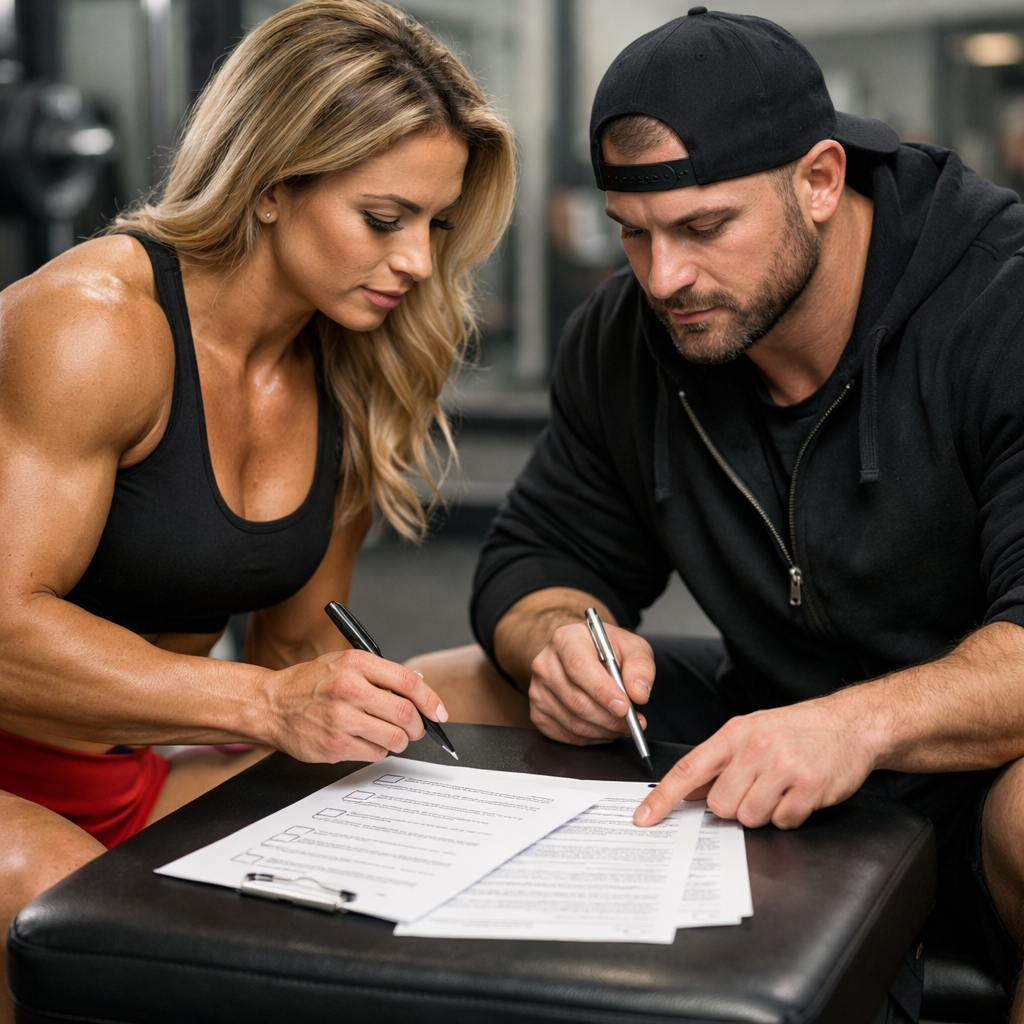
Avoid Costly Mistakes Selecting Bodybuilding Gyms and Competition Prep Coaches
Avoid Costly Mistakes Selecting Bodybuilding Gyms and Competition Prep Coaches
Choosing the right bodybuilding gym and contest prep coach can save you months of frustration, thousands of dollars, and a shot at your best stage day. This FitnessJudge guide gives you a protective, step-by-step framework to identify a bodybuilding-ready health club, vet a contest prep coach for your division, and lock in clear terms that protect your time, money, and data. You’ll build a focused shortlist, verify equipment and culture in person, assess coaching outcomes and communication, run a bounded trial, and finalize contracts with true-cost and safety checks. Done right, you’ll match a competitive bodybuilding setup, evidence-based programming, and a coach who communicates at the cadence you need—without hidden fees or rigid contracts.
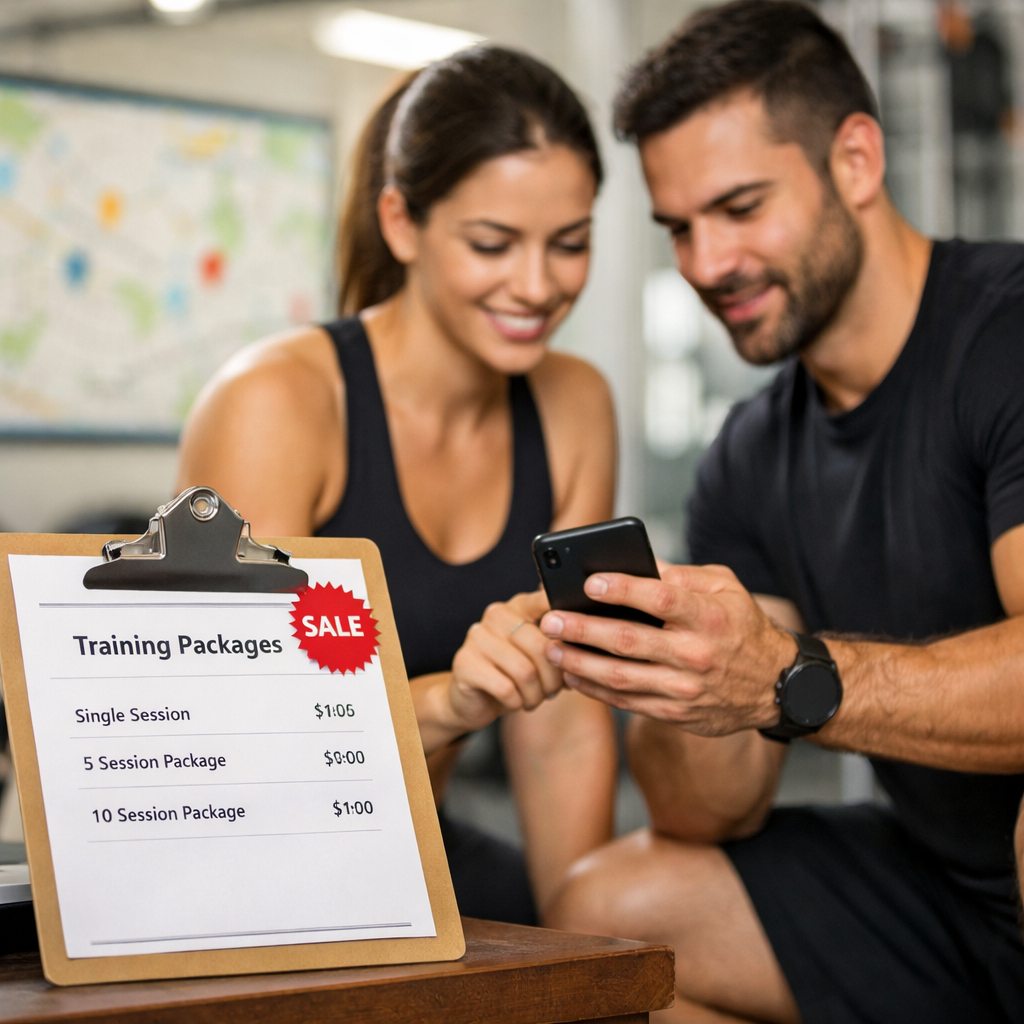
How To Find Legit Discounted Personal Training Near You Fast
How To Find Legit Discounted Personal Training Near You Fast
Finding a legit, discounted personal trainer this week doesn’t have to be a gamble. If you’re wondering, “Where to buy discounted personal training sessions near me?” the fastest path is to define your goal, pick a coaching format that matches your budget, and use reputable marketplaces to filter by price, specialty, and availability—then book low‑risk trials. In‑person training often runs $60–$120+ per hour, but virtual personal trainer options and app plus coach plans can slash costs while still delivering structure and accountability, with some sessions starting as low as $5–$10 on certain platforms, according to industry roundups and provider data. This FitnessJudge playbook walks you from search to a safe trial in days—using our shortlisting framework, a true‑cost calculator, reliability checks (trainer certifications and policies), and payment safety via tokenized platforms—to help you get results without overpaying.
Top Cheap Annual Gym Memberships Ranked by Real Yearly Cost
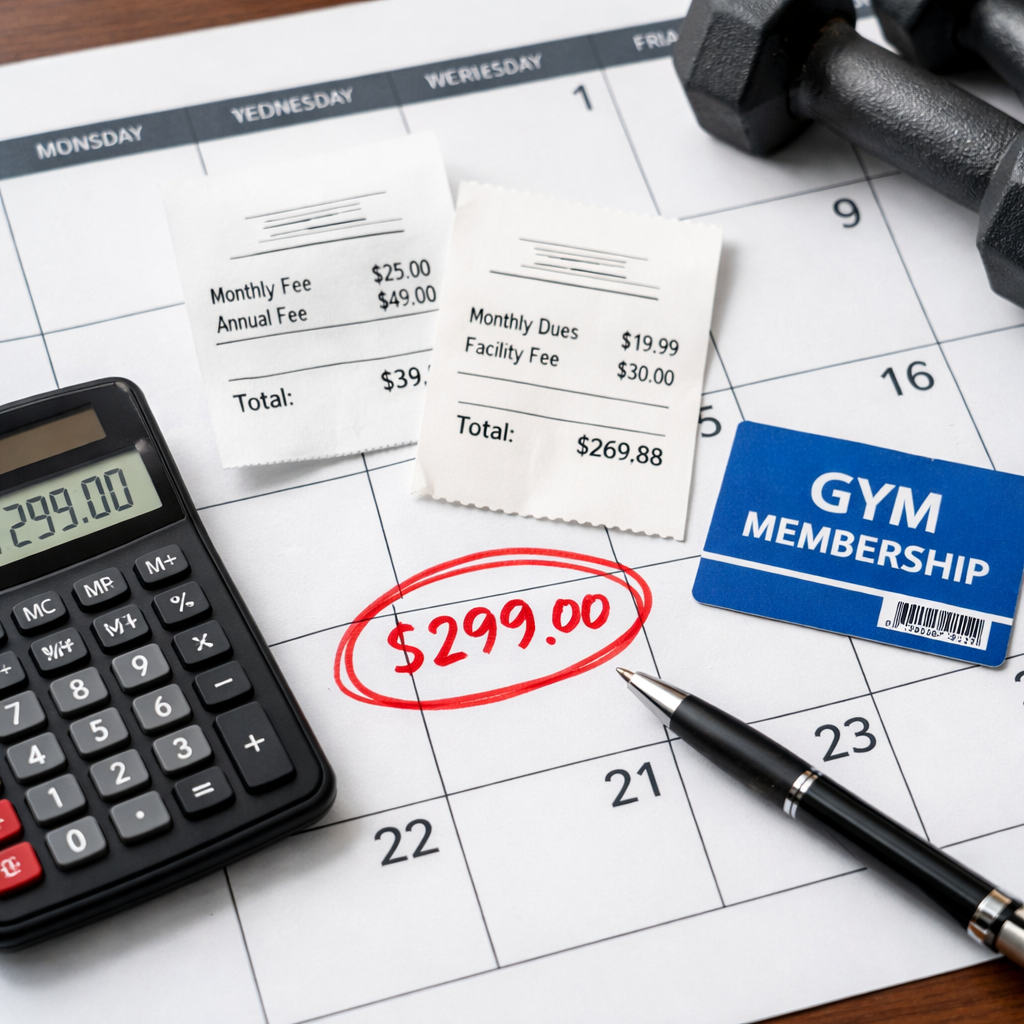
Top Cheap Annual Gym Memberships Ranked by Real Yearly Cost
Finding the cheapest gym isn’t just about the headline monthly price. Real yearly cost folds in all the extras that hit your card over 12 months—so you know what you’ll actually pay. Using this lens, the perennial budget winners are Crunch (basic), YouFit, and Planet Fitness, with many members landing near the $180–$300 range if they catch a promo and skip extras. Below, we rank leading low-cost gym chains by estimated first-year totals, outline amenity trade-offs, and show who each brand fits best so you can match price with what you’ll really use.
Quit Packing Towels: Memberships With Sauna, Spa, and Towel Service
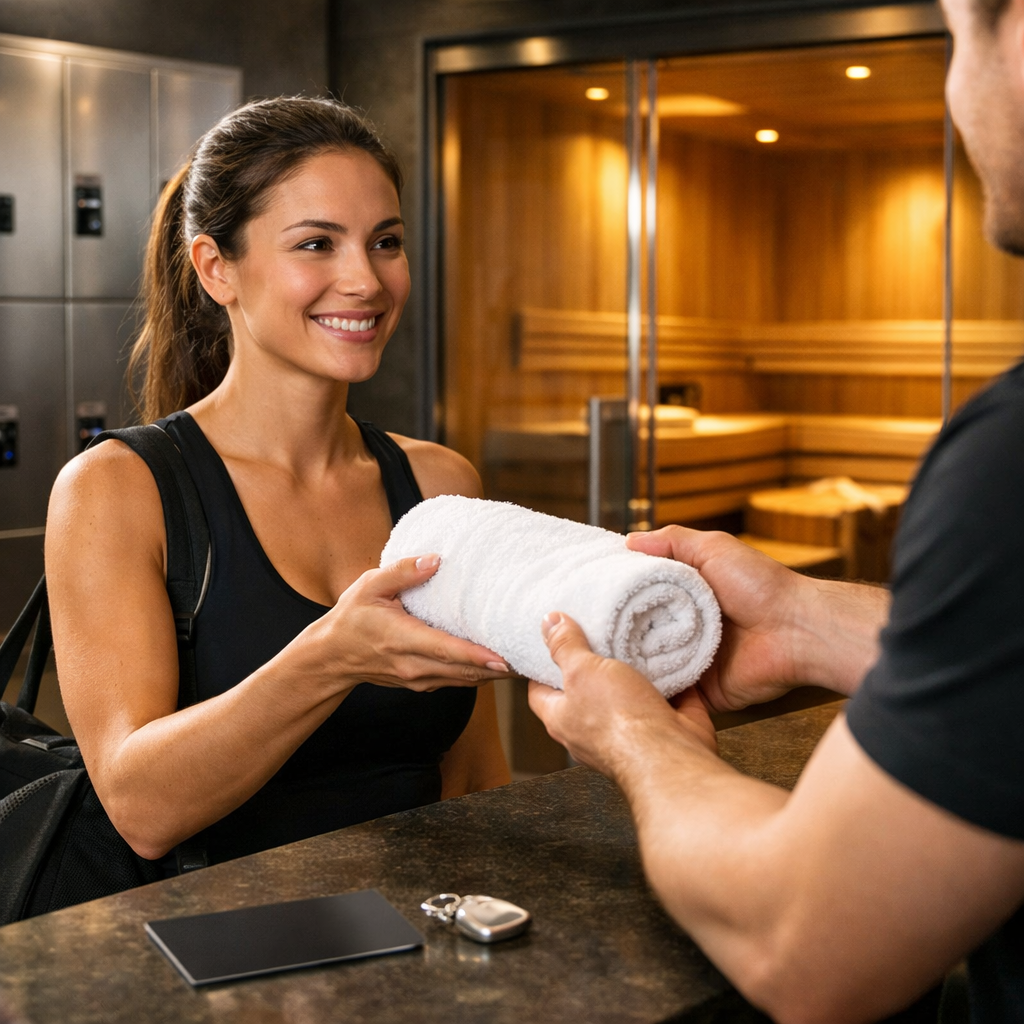
Quit Packing Towels: Memberships With Sauna, Spa, and Towel Service
Finding a fitness club near you with towel service, sauna, and spa access doesn’t have to be guesswork. The best memberships bundle fresh towels with heat-and-cold recovery zones and clean, well-run locker rooms—so you can stop packing a bag and get more from every visit. Below, we explain what “towel-inclusive” really covers, how clubs structure pricing, and how to spot reliable operations on a tour. Use FitnessJudge checklists, comparison tables, and scoring criteria to compare nearby clubs tier-for-tier and avoid surprise fees. As sauna culture and wellness “third spaces” surge, especially post-pandemic, smart clubs are turning amenities into a standout value-driver for members. FitnessJudge standardizes ratings so your comparisons stay apples-to-apples.
Family-Friendly Gyms With Childcare and Child Watch Near You
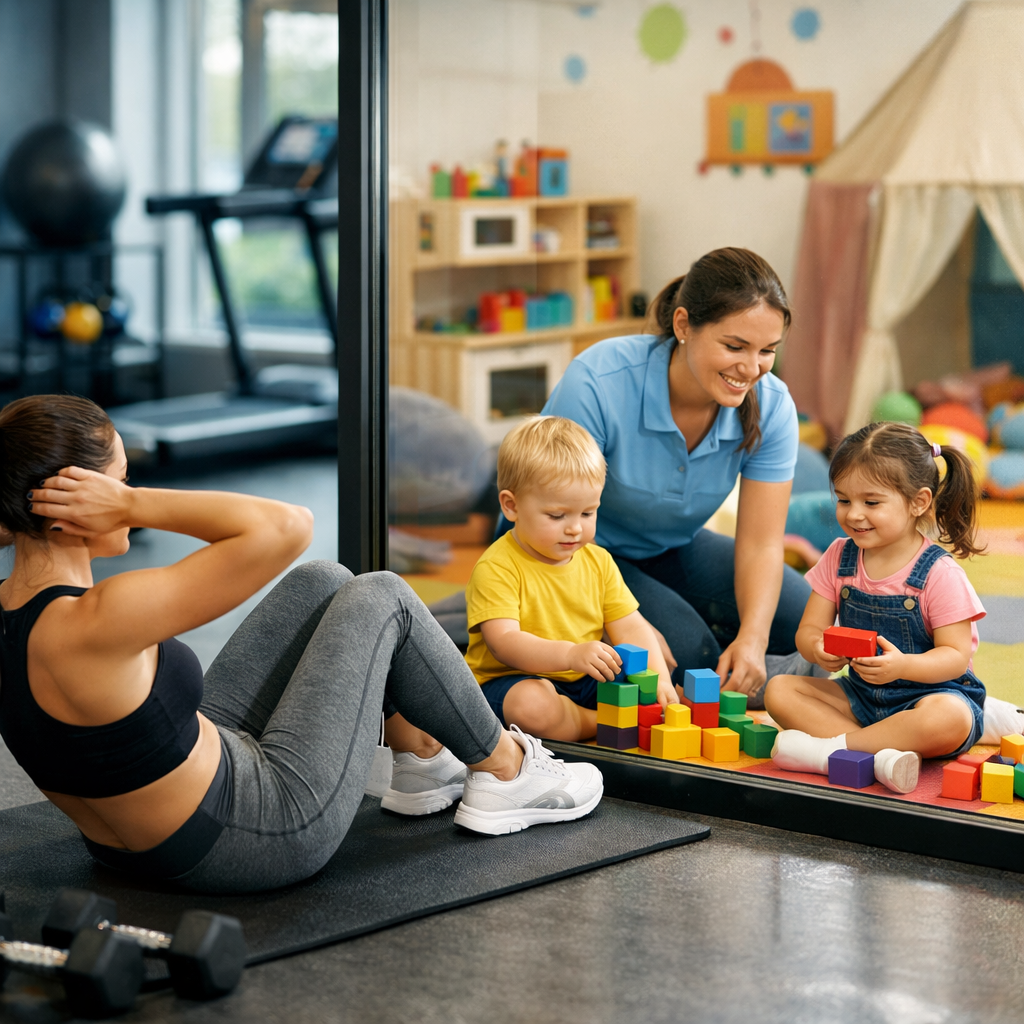
Family-Friendly Gyms With Childcare and Child Watch Near You
If you’re searching for gyms near me with childcare, here’s the short answer: many YMCAs include child watch with membership, while select national chains and community clubs offer on-site childcare or kids clubs as an add-on or included perk. Typical age ranges run from about 3 months to 12 years with 2–2.5 hour visit limits. Pricing varies: some locations include care, others charge drop-in fees or modest monthly add-ons. Below, we break down what child watch vs. on-site childcare means, what it costs, how to vet safety and engagement, and where to start your search—plus FitnessJudge’s take on when a smart home setup can beat a commute-dependent routine.

How to Buy a No-Contract Gym Membership Online, Safely
How to Buy a No-Contract Gym Membership Online, Safely
Buying a month-to-month gym membership online is straightforward if you know where to look and what to verify. Start with official gym websites, FitnessJudge checklists, and reputable aggregators (e.g., ClassPass), then compare total monthly value, not just sticker price. Use trials and guest passes to test fit, scrutinize cancellation terms, and confirm secure checkout before you pay. The FitnessJudge playbook below shows you exactly how to shortlist options, calculate true costs, validate app reliability, and protect your card data—so you can join fast without getting trapped by hidden fees or hard-to-cancel terms.
Máquinas de remo con pantalla: ¿realmente valen la pena?
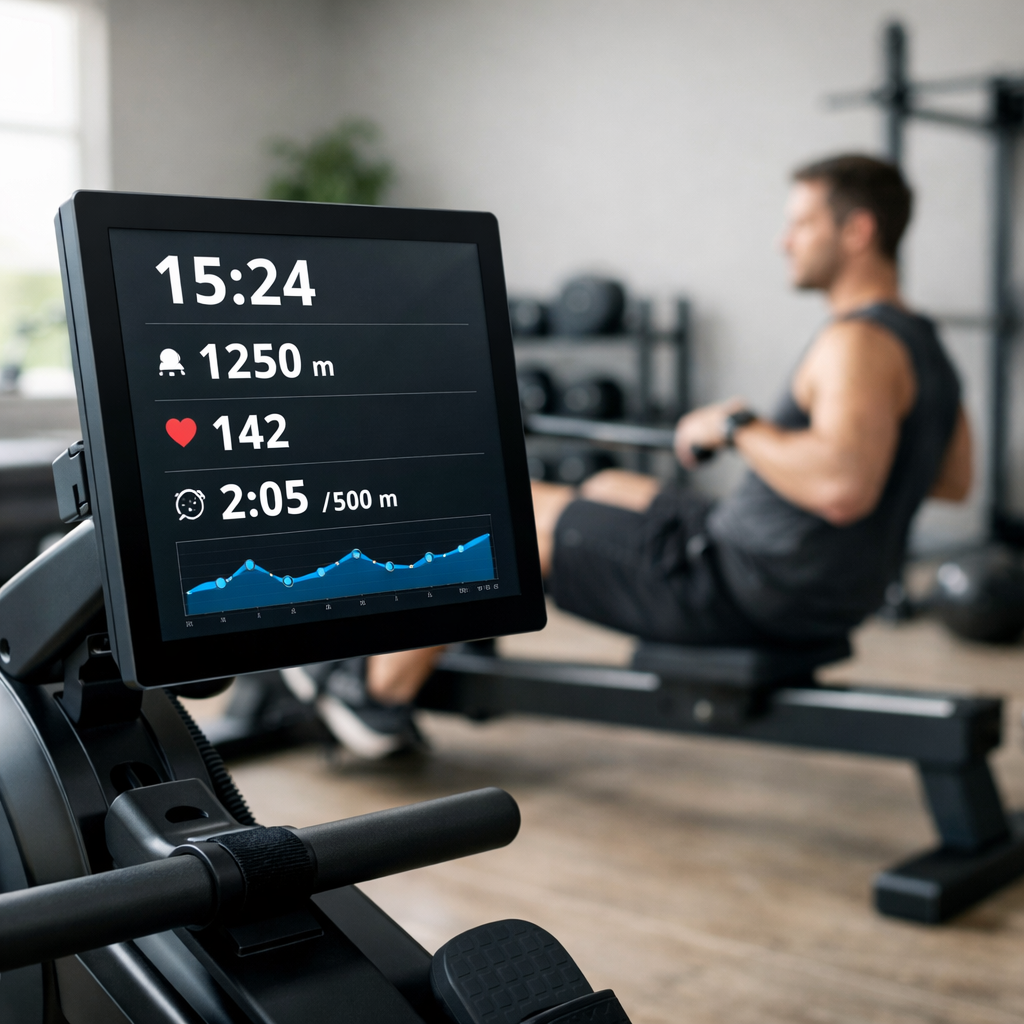
Máquinas de remo con pantalla: ¿realmente valen la pena?
Las máquinas de remo con pantalla ofrecen clases guiadas, paisajes inmersivos y métricas pulidas. ¿Merecen la pena las máquinas de remo con pantalla? Para muchos usuarios sí, siempre que aprovechen coaching estructurado y entrenen con regularidad: la pantalla reduce fricción, hace más entretenidas las sesiones y mejora la adherencia. Si solo buscas un cardio eficaz y fiable, un remo clásico con buen monitor y una tablet con apps puede ofrecer el 80–90% del valor por bastante menos dinero. En FitnessJudge analizamos coste vs. valor, precisión de métricas, calidad del coaching, compatibilidad con apps y garantías, y ofrecemos recomendaciones claras por presupuesto y espacio.
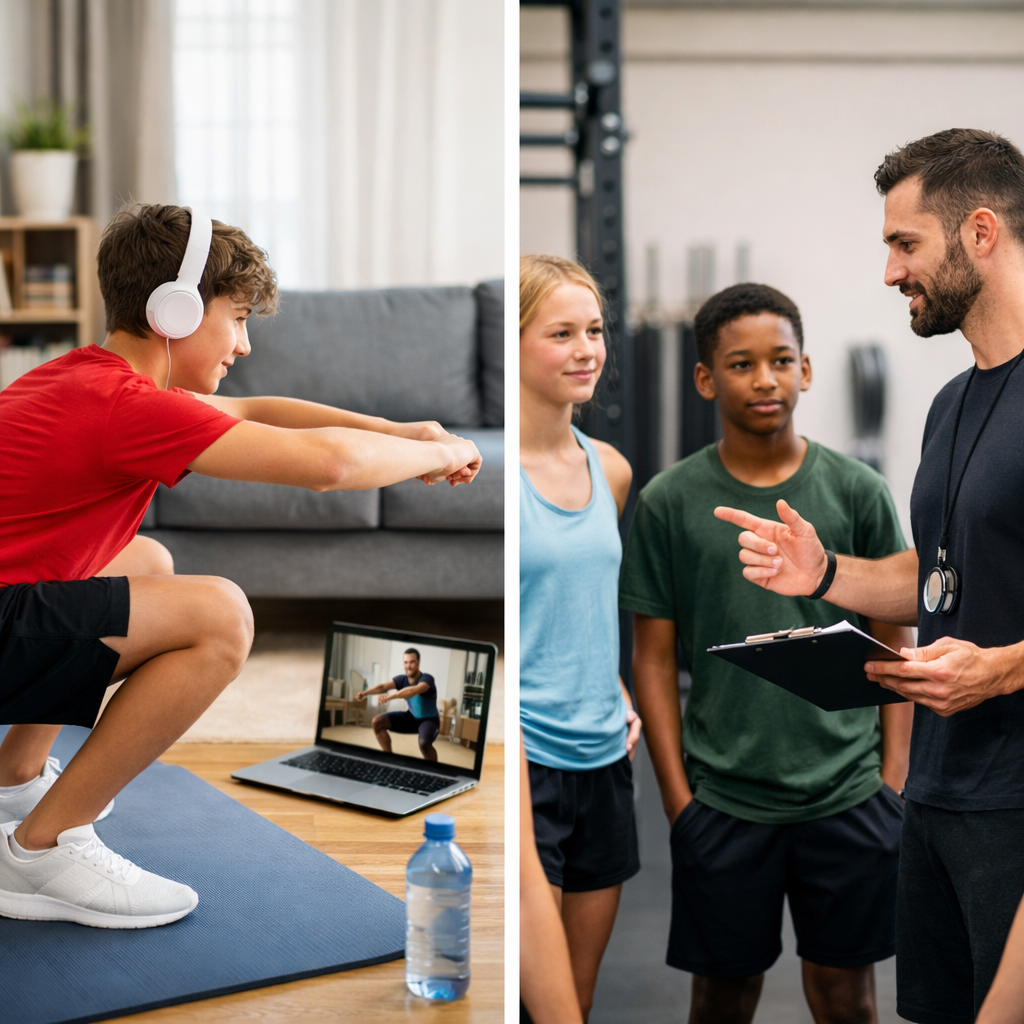
Online vs. In-Person Youth Training Programs: Which Delivers Better Results?
Online vs. In-Person Youth Training Programs: Which Delivers Better Results?
A clear winner depends on age, goals, and the quality of coaching. For most youth athletes, in-person training delivers faster gains in movement quality, speed mechanics, and safe strength progression—especially in grades 3–8—because real-time, hands-on feedback matters. Online options shine for consistency, homework reps, and access when you can’t get to a facility. The strongest path for performance is usually hybrid: in-person coaching for technique and progress checks, supported by tech-enabled, trackable at‑home sessions between visits. This reflects FitnessJudge’s stance from comparing youth systems and aligns with evidence that well-designed, supervised youth strength and conditioning improves strength, power, and motor skills safely, and should be tailored by maturation stage and sport demands, not just chronological age, as emphasized in the NSCA position statement on youth resistance training and the American Academy of Pediatrics.