Best Interactive Home Gym Systems 2026: Tested Picks and Buying Guide
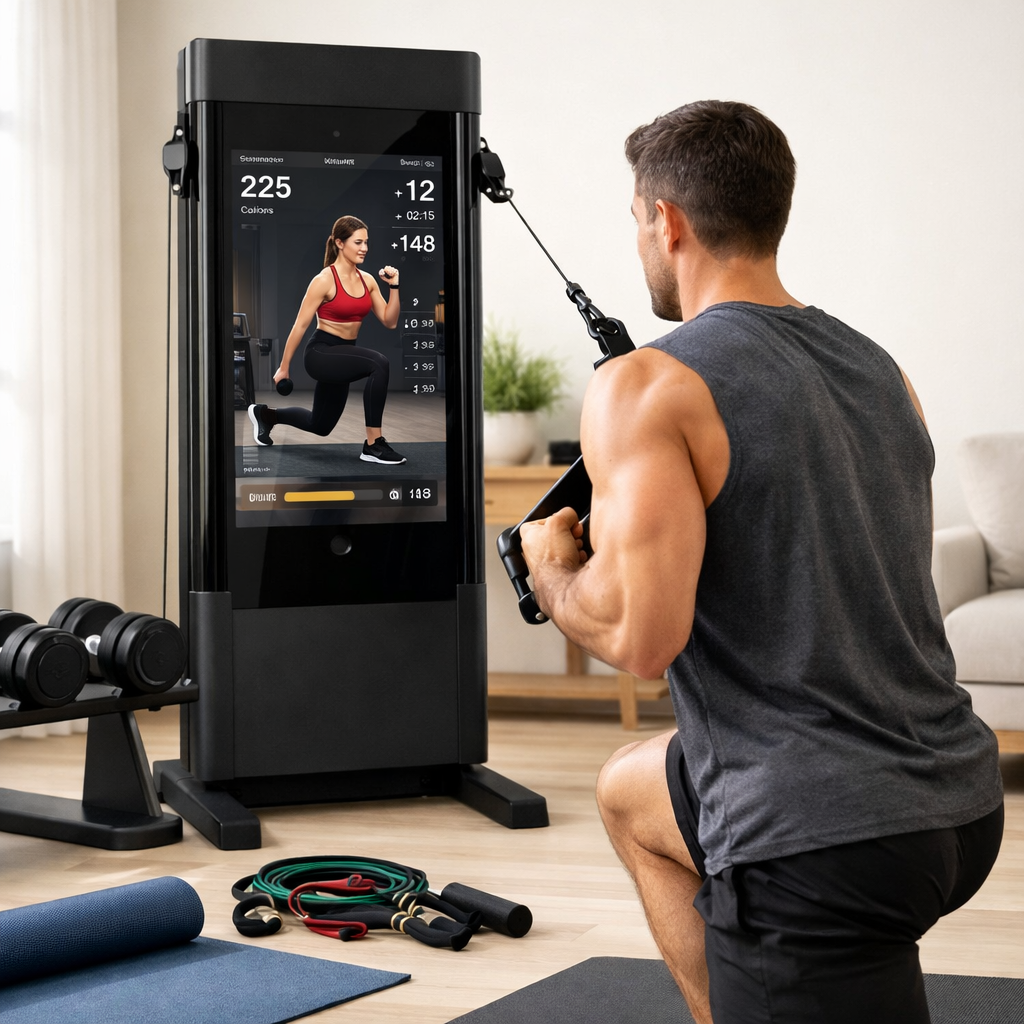
Interactive home gyms pair hardware with screens, sensors, or apps to deliver coached, trackable workouts and real-time feedback at home. In 40–50 words: an interactive home gym blends connected hardware (rowers, racks, cable trainers, bikes) with software features like AI coaching, adaptive or digital resistance, and on-demand classes to guide form, set intensity, and log progress—turning solo sessions into structured training with accountability. For 2026, our tested standouts: Tonal 2 for compact strength with AI, Hydrow Arc for immersive rowing, Aviron for gamified adherence, Peloton Bike+ for live classes and cross-training, and Tempo Studio for form feedback. Value-driven lifters should consider Bells of Steel and Force USA multifunction racks; travelers and micro-spaces will appreciate Beyond Power’s Voltra I. The “best” depends on your goals, space, and total cost of ownership across hardware and memberships.
FitnessJudge
FitnessJudge exists to help you buy with eyes open. We test and analyze interactive home gym systems with standardized criteria—resistance type and ceiling, content and coaching depth, footprint and installation, and transparent pricing (hardware plus subscription). Our perspective is independent and research-driven; we focus on decision support, not promotion. “Total cost of ownership” equals upfront hardware + accessories + installation + mandatory subscriptions over 1–3 years. We also encourage local verification: compare national smart systems against nearby studios, YMCAs, and community centers for classes, childcare, and amenities; verify pricing and peak-time crowding, then weigh against at-home costs over 12–36 months. We apply the same scoring rubric across categories so picks are directly comparable.
Tonal 2
Tonal 2 packages up to 250 lb of digital resistance in a sleek, wall-mounted unit with foldable arms, a Smart View coaching camera, and automated progression. Expect hardware around $4,295 and a membership near $59.95/month for full features, per PCMag and CNET reporting from 2025–2026 ranges, summarized in PCMag’s smart home gym guide and CNET’s best smart home gyms.
In 40–50 words: digital/adaptive resistance uses motors and software to set exact loads, auto-progress, and spot your last reps. It can adjust mid-set based on your performance, making at-home strength work more precise and consistent over time. Tonal’s AI coaching applies these auto-adjustments to guide tempo and progression.
Pros:
- Compact wall footprint with foldable arms
- Real-time coaching and Smart View camera
- Automated progression that reduces guesswork
Cons:
- Requires proper wall mounting and clearance
- Premium upfront plus recurring costs
- 250 lb digital ceiling may not replace heavy barbell work
Best for: tech-forward strength training in small spaces; data-driven progress with AI coaching and automation.
Hydrow Arc Rower
Hydrow Arc refines low-impact cardio with a 24-inch display, cinematic on-water content, and near-silent electromagnetic resistance for a premium, early-morning-friendly feel, per PCMag’s smart home gym guide.
In 40–50 words: electromagnetic resistance uses magnets and current to create smooth, quiet, and consistent drag with precise increments. There’s no chain swoosh or fan roar, so noise is minimal. Consistent resistance across the stroke improves technique and pacing, especially valuable for apartments and shared spaces.
Considerations:
- Long footprint typical of rowers; measure length and rear clearance
- Subscription unlocks coached classes and scenic rows
- Ensure screen angle keeps your catch/finish visible throughout the stroke
Best for: immersive, low-impact cardio with a premium, quiet feel.
Aviron Strong Series
Aviron trades traditional classes for gamified training: adjustable foot carriage, a higher seat for easier on/offs, integrated media streaming, and 1,000+ on-demand races, quests, and challenges noted by PCMag and BarBend summaries in BarBend’s best home gyms.
In 40–50 words: gamified workouts apply mechanics like points, levels, races, and achievements to structure sessions and spark motivation. Immediate feedback loops and progression ladders make intervals feel like gameplay, which can increase adherence for users who lose interest in standard follow-along classes.
Best for: people who get bored by lectures and prefer competition, entertainment integrations, and head-to-head challenges.
Peloton Cross Training Bike Plus
Peloton is a connected fitness staple for live coaching, music-driven programming, and community. Bike+ brings a 22-inch touchscreen, a live leaderboard, and cross-training bundles (e.g., dumbbells) that pair cycling with strength on the mat—features highlighted in ShopSavvy’s 2026 smart gym picks and Men’s Health coverage.
Leaderboard motivation: real-time rankings can nudge you to hold cadence, resist backsliding, and PR more often—small competitive cues that translate to higher adherence.
Remember: full functionality for many smart machines (metrics, classes, leaderboards) requires an active membership, a caveat repeated in CNET and ShopSavvy roundups.
Tempo Studio
Tempo acts like a guided strength studio at home, using 3D sensors for form correction and tidy, built-in storage for weights and accessories—callouts consistent with CNET’s best smart home gyms.
In 40–50 words: form tracking analyzes joint angles and movement patterns via cameras or sensors to offer instant cues on depth, tempo, and alignment. Proper feedback helps you fix common faults (knee cave, lumbar extension) before they become habits, especially useful for beginners and home lifters without a spotter.
Considerations:
- Camera placement and lighting materially affect tracking accuracy
- Programming and form feedback live behind a subscription
Best for: beginners who value real-time form cues and a clean, self-contained setup.
Bells of Steel
Bells of Steel’s All-in-One is a high-value mechanical alternative for heavy lifting and family use. Pricing starts near $1,243 and the unit fits roughly 81" x 59" x 54.6"; cable options can offer up to 300 lb cable resistance, per Leaps & Rebounds blog.
Compared with smart gyms, you get:
- More exercise variety and higher load ceilings at lower upfront cost
- No recurring fees, just plates and occasional maintenance
- Limited interactive coaching or content
Best for: raw strength progression, multi-user households, and buyers avoiding subscriptions.
Force USA
Force USA’s multifunction rigs combine a power rack, smith station, dual cables, and plate storage—replacing multiple machines in one footprint. Trade-offs include larger size and more involved setup, but you gain superior versatility for compound lifts, long-term progression, and shared use. Value-seekers comparing heavy lifting options should weigh Force USA alongside Bells of Steel in the section below on “Who each system is best for.”
Beyond Power Voltra I
Voltra I is a portable cable-trainer concept: about 12.7 x 5.5 x 3.9 inches and roughly 12.78 pounds, enabling cable-style sessions with door or wall anchors, as noted in Men’s Health roundup.
In 40–50 words: a portable trainer is a compact, self-contained resistance device that anchors to doors or mounts to deliver adjustable loads for multi-joint exercises. It travels well, fits micro-spaces, and can supplement gym sessions with pull, press, and rotation patterns without a full rack.
Best for: hotel workouts, studio apartments, or adding cable work to an existing routine.
How we tested and what matters
We evaluate each system against real-world priorities—strength, cardio, hybrid training, multi-user families, and budget—using five pillars. FitnessJudge applies this rubric consistently so differences reflect true trade-offs, not review variance.
- What it is: the attribute under test
- Why it matters: how it affects training quality and adherence
- How it varies: product examples and trade-offs
We standardize on resistance, content/coaching, footprint/install, and pricing. Definitions for snippet clarity:
- Adaptive resistance (40–50 words): systems that automatically modify load or difficulty based on performance metrics, form, or workout stage to maintain target intensity and drive progression. It reduces plate juggling and keeps effort in the right zone throughout a set or interval—most visible in digital resistance platforms like Tonal.
- AI coaching (40–50 words): algorithms that analyze your reps, tempo, and history to suggest weights, adjust difficulty, and cue form in real time. It personalizes progression without a human coach, guiding volume, rest, and technique based on your performance data.
Resistance and auto adjust
- Why it matters: Load quality shapes hypertrophy and strength; resistance type also dictates noise and maintenance.
- Product examples: Tonal’s digital resistance caps at 250 lb with AI-driven auto-progressions; Hydrow’s electromagnetic resistance delivers near-silent, consistent drag. Some cardio devices auto-adjust incline or resistance via iFIT-style programming on compatible machines, a pattern echoed in BarBend’s best home gyms.
Screen and user experience
- Why it matters: Screen size, angles, and UI impact immersion, form cues, and comfort.
- Examples: Hydrow Arc’s 24-inch display improves on-water immersion; several treadmills now ship with tilt-and-pivot screens around 14 inches for off-device work noted across PCMag and BarBend. We recommend swivel for floor moves, brightness for daylight rooms, and speaker clarity for coaching.
- UX (40–50 words): the blend of interface design, responsiveness, and physical ergonomics that determines ease of use, immersion, and adherence. Clean menus, quick load changes, and readable metrics—plus good viewing angles—mean you’ll spend more time training and less time fiddling.
Content and engagement
- Why it matters: Deep libraries and engaging mechanics sustain consistency.
- Examples: Peloton’s live leaderboard boosts effort through social comparison; Aviron’s gamified races and achievements keep intervals engaging; many platforms integrate streaming media. Most smart machines lock premium features behind memberships—subscription dependency is a common downside reported by ShopSavvy and CNET.
Footprint and installation
- Why it matters: Fitment surprises can derail a purchase.
- Examples: Tonal 2 is compact but needs structural wall mounting; multifunction racks demand floor space and ceiling height. Bells of Steel’s All-in-One example dimensions (approx 81" x 59" x 54.6") offer a real-world reference for freestanding rigs.
- Table: quick fitment snapshot (verify with manufacturer specs before ordering).
| System | Width x Length x Height | Clearance Notes | Install Type | Portability |
|---|---|---|---|---|
| Tonal 2 | Wall area + arm sweep (measure) | Arm swing and user reach | Wall-mount (studs/anchors) | Fixed once installed |
| Hydrow Arc | Typical rower length ~7–8 ft | Rear/side clearance for stroke | Freestanding | Moves with wheels |
| Peloton Bike+ | Small footprint bike | Side clearance for pedal sweep | Freestanding | Moves with built-in wheels |
| Bells of Steel All-in-One | ~81" x 59" x 54.6" | Overhead/forward for presses | Freestanding rack | Stationary |
| Force USA Multifunction | Larger rack footprint (varies) | Ceiling for pull-ups/presses | Freestanding rack | Stationary |
| Beyond Power Voltra I | 12.7" x 5.5" x 3.9" | Anchor height/door swing | Portable/anchored | Travel-ready |
Always confirm wall load standards for mounts and ceiling height for racks and overhead moves. Check delivery paths for tight stairs or doorways.
Pricing and ongoing fees
- Why it matters: Transparent math prevents regret.
- Examples: Tonal’s hardware around $4,295 plus ~$59.95/month membership; iFIT-style classes are often ~$39/month on compatible machines per CNET and Men’s Health coverage; some memberships are reported as high as $139/month on certain smart gyms per ShopSavvy’s 2026 smart gym picks. FitnessJudge compiles these from publicly reported ranges; always verify current pricing.
Comparison snapshots (totals exclude accessories and install unless noted):
| System | Upfront Hardware | Monthly Membership | 1-Year Total | 3-Year Total |
|---|---|---|---|---|
| Tonal 2 | $4,295 | $59.95 | $5,014.40 | $6,453.20 |
| iFIT-enabled device (example) | TBA | $39.00 | $468.00 + hardware | $1,404.00 + hardware |
| Bells of Steel All-in-One | $1,243 | $0 | $1,243 | $1,243 |
Note: Shipping, installation, smart accessories, and taxes vary by region—add them to your totals.
Who each system is best for
- Tech-forward strength in small spaces (best smart gym for small spaces; AI strength training): Tonal 2
- Immersive, low-impact cardio: Hydrow Arc
- Engagement-first users (gamified rowing; entertainment): Aviron
- Live classes and cross-training (connected bike classes): Peloton Bike+
- Form feedback for beginners (AI coaching cues): Tempo Studio
- Heavy lifting and best value (no subscriptions): Bells of Steel, Force USA
- Travel and micro-space cable work: Beyond Power Voltra I
Total cost of ownership calculator
Use this quick framework to compare apples-to-apples over time:
- Hardware price
- Required accessories
- Shipping/installation
- Monthly membership x months
- Optional add-ons (mats, plates, HR sensors)
Example presets:
- Tonal 2: $4,295 + ($59.95 x 12) = $5,014.40 in year 1; $4,295 + ($59.95 x 36) = $6,453.20 in year 3 (excl. accessories/install), per CNET and PCMag ranges.
- iFIT membership device: ($39 x 12) = $468 in year 1; ($39 x 36) = $1,404 in year 3, plus hardware and delivery.
Tip: Make a printable table with your short list and fill in each line item. If you need a template, grab one from FitnessJudge’s resources at fitnessjudge.com.
Buying checklist
- Clarify goals: strength, cardio, or hybrid—with who will use it and how often.
- Measure footprint and clearance; confirm wall studs or ceiling height as needed.
- Include subscriptions in your 12–36 month budget; verify current pricing before purchase.
- Prioritize adaptive resistance or coaching if consistency is your main challenge.
- Review install, delivery path, and warranty terms (motor/digital components vs. frame).
- Test ergonomics when possible: screen visibility, handle reach, and noise tolerance for early mornings.
How to verify local alternatives
- Call nearby studios/gyms to confirm class formats, trainer credentials, and whether they offer tech-enabled classes or progress tracking.
- Ask for exact pricing: initiation fees, monthly dues, included equipment access, guest passes, and cancellation terms.
- Tour facilities to verify amenities (childcare, pools, showers) and gauge peak-time crowding.
- Compare 12–36 month local costs against your at-home totals using the calculator above.
Frequently asked questions
What is an interactive home gym and who benefits most?
An interactive home gym pairs hardware with screens, apps, or AI for coached, trackable workouts; FitnessJudge’s guides help match features to goals. It benefits beginners needing guidance, busy people who value efficient sessions, and self-motivated users who like metrics, adaptive resistance, and gamified challenges.
How much space do I need and what installs are required?
Wall-mounted systems need a sturdy wall and modest clearance, while multifunction racks require more floor space and ceiling height. Measure width, depth, and movement clearance, verify mounting requirements and delivery pathways before ordering, and use FitnessJudge’s fitment checklist if you’re unsure.
Are subscriptions mandatory and how should I budget for them?
Many systems require a membership to unlock classes, leaderboards, or coaching. Add the monthly fee to your hardware price and calculate 12–36 month totals—FitnessJudge’s TCO calculator makes this easy.
Can interactive systems replace a gym membership?
For many, yes—especially if you value guided classes, metrics, and convenience; see FitnessJudge’s head-to-head comparisons for trade-offs. Heavy barbell or specialty equipment users may still want a community gym for higher loads, spotters, or amenities like pools and childcare.
What should beginners prioritize for safety and progress?
Prioritize clear coaching, form feedback, and progressive programming—FitnessJudge’s beginner guides can help you shortlist options. Choose systems with adaptive resistance or structured plans, start with manageable intensity, and track consistency over time for safe, sustainable progress.