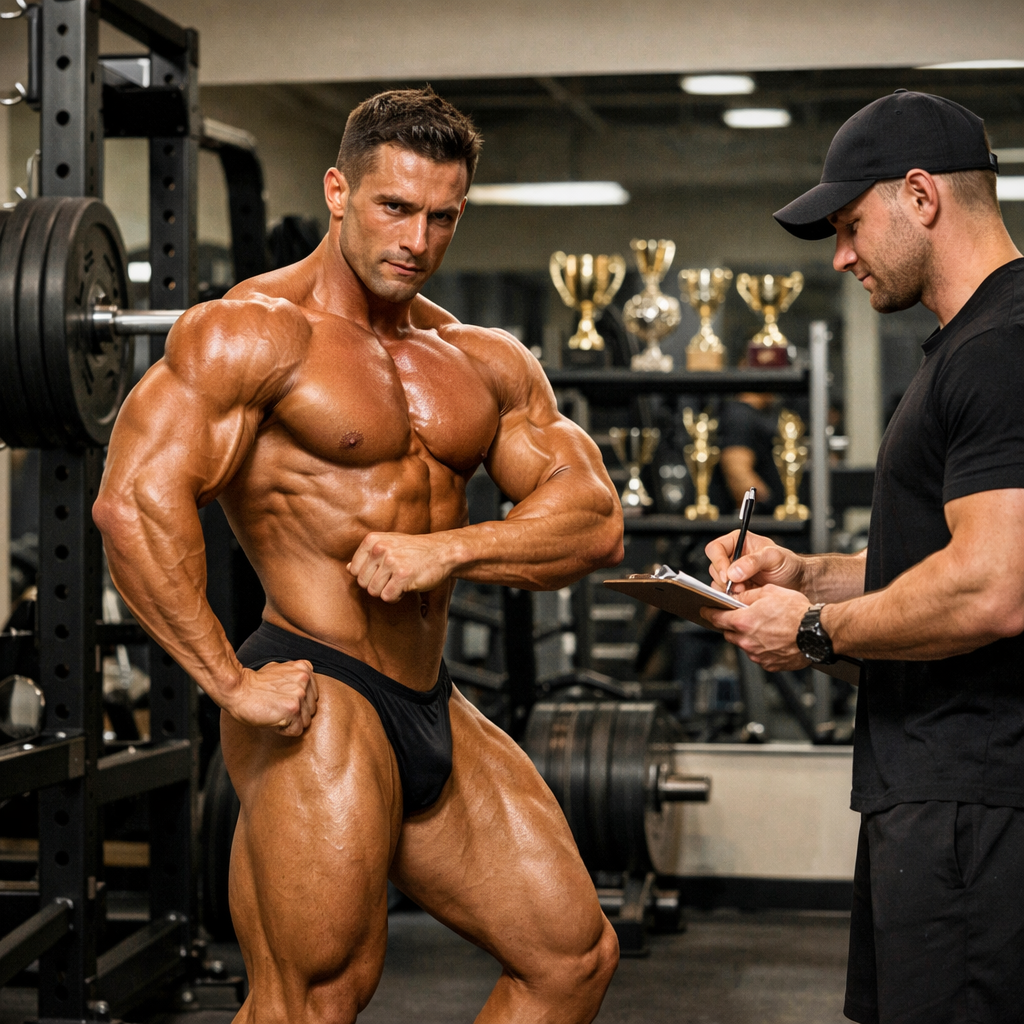
Join the Right Strength Gym for Confident, Stage-Ready Bodybuilding Results
The fastest way to look and perform like a competitor is to train where the environment is built for it. To find a health club for competitive bodybuilding with specialized coaching, prioritize heavy free weights, multiple power racks and platforms, plate‑loaded machines per movement pattern, a legit posing setup, and coaches who program your hypertrophy blocks through peak week. Visit at peak and off‑peak, test cable attachment compatibility, and confirm you can take long rests without pressure. This FitnessJudge guide walks you through a compatibility‑driven checklist, trial‑visit workflow, and coaching criteria so you can join a competitive bodybuilding gym that keeps you progressing confidently to the stage.
What a stage-ready bodybuilding gym must have
A stage‑ready gym is engineered for bodybuilding progress: heavy free weights, multiple racks and deadlift platforms, competition‑relevant plate‑loaded machines, a true posing and progress‑tracking setup, and contest‑prep coaching that spans hypertrophy to peaking—inside a culture that respects long rest and reliable equipment access. Top bodybuilding facilities prioritize heavy‑duty racks, multiple stations, and functional areas to keep session flow smooth and safe, especially at peak times (see this equipment‑first perspective from The Ultimate Guide To Choosing The Right Gym For Bodybuilding Success) (source) and essentials echoed by Gym for Body Builders: Essential Things to Look Out For (source). FitnessJudge’s stance: rack density, duplicate stations, and a real posing setup are non‑negotiable.
Quick checklist (minimums that keep your prep moving):
| Item | Stage-ready benchmark |
|---|---|
| Power/squat racks | 3+ heavy‑duty racks with safeties |
| Dumbbells | Full range to 150+ lb |
| Deadlift platforms | 2+ dedicated platforms |
| Cable systems | Dual adjustable towers; interchangeable attachments |
| Plate‑loaded machines | At least one per major pattern; duplicates for high-traffic patterns |
| Functional turf | Sled lane(s), space for carries/loaded conditioning |
| Posing area | Mirrored room or cordoned space with good lighting |
| Body composition | In‑house scanner for objective tracking |
| Coaching | Experienced contest‑prep; semi‑private options |
Heavy free weights and rack infrastructure
Robust free weights and racks are the backbone of hypertrophy phases and safe overload. Look for power racks/cages with safeties so you can push near failure without a spotter, and multiple racks to cut waits—top bodybuilding gyms make heavy‑duty racks a priority (equipment criteria). Commercial clubs geared for strength often add extra rack stations to keep lifters moving during rush hours (practical tip).
Evaluate on your trial visit:
- How many racks? Are safeties and J‑hooks solid and quick to adjust?
- Hole spacing consistency (e.g., Westside spacing in the bench zone).
- Bar storage and barbell variety (stiff, deadlift, multi‑grip).
- Dedicated deadlift platforms and platform availability at peak.
- Actual access during peak hours—time your waits.
Definition: Power rack. A steel cage with adjustable J‑hooks and safety pins/straps that allows heavy squats, presses, and pulls inside the enclosure with fail‑safes—essential for progressive overload without a spotter.
Machines that map to bodybuilding movement patterns
Confirm that machine inventory covers the whole physique and lets you scale volume without joint strain:
- Vertical/horizontal push‑pull: chest press, pec deck, incline, cable row, chest‑supported row.
- Knee/hip dominant: leg press, hack squat, lying/standing hamstring curl, hip hinge variants.
- Isolation: leg extension, calf raise, biceps/triceps stations, rear‑delt and lateral‑raise options.
Favor plate‑loaded designs for fine‑grained progression and sturdy strength curves. Programmatically, multiple‑set protocols outperform single sets—meta‑analysis shows up to 46% greater strength and about 40% more hypertrophy with multi‑set training, supporting 3–4 sets per exercise and robust weekly volume (evidence). For crowded patterns, confirm at least two stations (e.g., two cable rows or two leg presses) so your session flow doesn’t stall.
Cable systems and attachment compatibility
Dual adjustable pulley towers unlock precise angles for symmetry and joint‑friendly hypertrophy. Seek:
- Independent columns with micro‑increment stacks and low‑friction pulleys.
- Interchangeable attachments (D‑handles, triceps rope, long straight/lat bars) with quick‑change carabiners and standardized pin diameters so your own handles fit.
- Tower height that permits full overhead work and room to set lines of pull without crowding.
Free weights and cable work complement each other; together they support balanced strength and physique development across training phases (trend snapshot).
Dumbbell range and specialty bars
Advanced lifters need ceiling room—look for dumbbells running to at least 150+ lb to preserve progressive overload into peak phases (practical benchmark). Specialty bars broaden stimulus and reduce joint irritation:
- Safety squat bar, Swiss/football bar, deadlift bar or trap/hex bar, EZ‑curl bars.
- Duplicate pairs in the 20–80 lb “traffic range” minimize bottlenecks.
- Check storage and availability during rush: can you reliably grab 100–150s when needed?
Dedicated zones for deadlifts, sleds, and functional work
Dedicated strength and functional spaces preserve training flow and reduce conflicts with general traffic. Confirm:
- Deadlift platforms with proper flooring and noise/vibration tolerance.
- Turf lanes for sled pushes/pulls; room for carries, yoke, or farmer’s handles.
Definition: Functional zone. A designated turf area with tools like sleds, ropes, tires, and yokes for loaded carries, pushes, and conditioning. It keeps conditioning separate from the main weight area. Industry reports show dedicated functional zones expanding as member preferences shift toward strength and conditioning hybrids (industry trend).
Coaching depth and contest prep services
Your gym’s expertise should extend beyond equipment. Verify:
- Coaches with proven contest‑prep outcomes (photos, shows, divisions); ask for a sample prep timeline.
- Semi‑private or small‑group options—about a 6:1 lifter‑to‑coach ratio balances attention and cost (format norms).
- Workshops, in‑house events (bodybuilding/powerlifting), and a supportive community that reinforces accountability (environment cues).
Ask how they individualize macros, posing practice cadence, and peak‑week fluid/sodium strategies—FitnessJudge favors coaches who can show this in writing before signup.
Posing space, mirrors, and stage presence practice
Posing is scored; treat it like a lift. Confirm a dedicated posing room or mirrored space and a body composition scanner for progress tracking (facility essentials). Check lighting quality, posted posing hours, and whether coaches run mandatory‑rounds walkthroughs.
Quick practice flow:
- Warm‑up; quarter turns; compulsory poses; transitions; stage walk.
- Record video for immediate feedback and cue refinement.
Programming support for hypertrophy and peaking blocks
Look for gyms and coaches who plan periodized blocks and respect evidence‑based set/rep schemes; FitnessJudge treats this as table stakes. Multi‑set programming (3–4 sets per exercise; ~8 sets per muscle in key weeks) consistently outperforms minimalist approaches for strength and size (meta‑analysis). Longer rest intervals—around three minutes—can produce more growth than one‑minute rests by preserving performance across sets; choose a culture that doesn’t rush you (rest-interval insight).
Definition: Periodization. A planned structure cycling volume, intensity, and exercise selection through accumulation, intensification/transmutation, and realization/peaking phases to manage fatigue and peak on a target date.
Culture, etiquette, and rest interval freedom
Atmosphere is a feature. Visit at peak and off‑peak to gauge equipment access, cleanliness, etiquette, and whether the vibe is focused and motivating with like‑minded lifters (visit strategy). Clubs that explicitly support bodybuilding etiquette—wiping down equipment, re‑racking, sharing between sets—foster smoother sessions and better community norms (practical cue). If shorter rests force you to cut sets, you’re probably leaving gains on the table; pick a gym that lets you own your rest periods.
Objective progress tracking and onboarding
Prefer gyms that onboard you with measurements and goal mapping—FitnessJudge emphasizes objective data over guesswork. Body scanners (e.g., Fit3D) plus basic anthropometrics tighten feedback loops (facility checklist). Build a tracking stack:
- Circumference measurements and weekly photos under consistent lighting.
- Scanner data and scale weight; training logs tied to RPE.
- Performance trendlines for key lifts and accessories.
Definition: RPE (Rate of Perceived Exertion). A 1–10 effort scale used to autoregulate load and volume so stimulus tracks with daily readiness across a prep.
Membership logistics and sustainability
Choose flexibility so your focus stays on training, not paperwork. Favor month‑to‑month options, day passes, and trial weeks to test crowding, culture, and equipment fit before committing (buyer’s tactic). Long‑contract, high‑overhead chains sometimes limit equipment availability; semi‑private studios and strength‑forward facilities often run more flexible models (market perspective).
Mini logistics table to review:
| Item | What to check |
|---|---|
| Hours | 24/7 or early/late blocks that match your training |
| Guest policy | Posing partners, coach access |
| Freezing options | Travel/illness flexibility |
| Drop‑in rates | For deloads, test weeks, travel friends |
| Parking | Reliable, close, safe |
| Peak density score | How crowded are 6–8 am and 5–7 pm? |
Red flags to avoid
Skip facilities that derail prep:
- Machine‑only layouts; limited heavy free weights; too few racks/platforms.
- No posing space or progress‑tracking tools.
- Poor hygiene or etiquette; pressure to rush sets or move off racks.
- No experienced contest‑prep coaches.
Industry reports highlight the resurgence of strength training and functional spaces—gyms leaning into free weights and dedicated zones better serve long‑term physique and performance goals (trend data).
How to evaluate a gym in two trial visits
Visit 1 (peak hours):
- Time waits at racks/platforms; note dumbbell availability (20–80 lb and 100–150+).
- Test rest‑interval freedom; observe etiquette and cleanliness.
- Confirm functional zone flow and platform tolerance for heavy pulls (field checklist).
Visit 2 (off‑peak):
- Run a full push or pull session; test cable attachments and quick‑change hardware.
- Verify machine coverage per pattern; try sled/loaded carries; ask about coaching, posing hours, and scanning (on‑site essentials).
Close by requesting a short‑term pass/day pass before committing.
Coach selection criteria inside the gym
Vet for stage outcomes, not generic fitness:
- Prior contest‑prep clients, posing instruction, and nutrition/peak‑week planning—ideally with semi‑private or small‑group formats for personalized attention and value (format norms).
- Ask for a periodized plan outline, check‑in cadence, and progress markers (scanner, photos, lifts).
- Confirm they program sufficient weekly sets and manage rest intervals to sustain volume across phases (evidence and practice).
Definition: Semi‑private coaching. A coached session with a small group (often ~6 lifters per coach) that blends individualized programming with group scheduling efficiency—more tailored than large classes, cheaper than 1:1.
Accessibility, scheduling, and commute optimization
Consistency beats perfection. Choose a gym near home/work; long commutes erode adherence over a months‑long prep (practical advice). Align hours with your cadence (AM/PM blocks, posted posing slots). Ensure parking, lockers, and shower access support quick transitions. Keep a backup day‑pass gym for contest‑week logistics.
FitnessJudge equipment perspective for gym hunters
Audit rack standards, bar knurl/diameter, and cable attachment interfaces on‑site—then mirror your most‑used tools at home so movement patterns stay consistent wherever you train. Log which specialty bars and handles you rely on (e.g., safety squat bar, D‑handles), then match those specs in your home kit and travel bag. For deeper compatibility tips, see FitnessJudge’s guide to rack and attachment standards (resource). Our focus is interoperability so your setup feels the same across locations.
Build a home base to complement your gym prep
A compact home setup protects weekly volume when life or crowds interfere:
- Adjustable dumbbells; pull‑up/dip station; bands; your own cable handles.
- If space allows, a folding rack with spotter arms for key sets.
- Recovery tools and a posing mirror to rehearse quarter turns between sessions.
When gym crowding shortens rest or blocks access to priority machines, shift accessory sets home to preserve weekly set targets and the longer rest intervals your hypertrophy phases need.
Frequently asked questions
How heavy should the dumbbells and plates go for serious prep
Aim for dumbbells to at least 150 lb and plenty of plates for heavy barbell work so progressive overload isn’t capped as you advance. FitnessJudge uses this as a practical ceiling for most advanced lifters.
What coaching credentials matter for bodybuilding competition prep
Look for proven contest‑prep outcomes, posing instruction, and individualized nutrition/peak‑week planning, preferably delivered in semi‑private or small‑group formats. FitnessJudge prioritizes coaches who can show plans and results up front.
How do I confirm a gym allows long rest intervals without equipment pressure
Visit during peak, time your rests on a rack, and observe culture; multiple racks and respectful sharing usually indicate you can take longer rests without issue. FitnessJudge’s trial‑visit checklist makes this quick to verify.
What is a practical equipment checklist to bring on a trial visit
Bring your belt, sleeves, straps, shoes, and preferred D‑handles/rope; then evaluate racks, dumbbell range, platforms, cable compatibility, turf/functional space, and posing/mirror access.
How do I balance machine variety with free-weight priorities
Lock in heavy free weights and multiple racks first, then ensure machines cover each movement pattern so you can hit weekly set targets while managing joint stress.